Open-world browser game, 2026
KL Rush
An open-world Kuala Lumpur you can drive, ride and walk through, in a browser tab or on a phone.
Overview
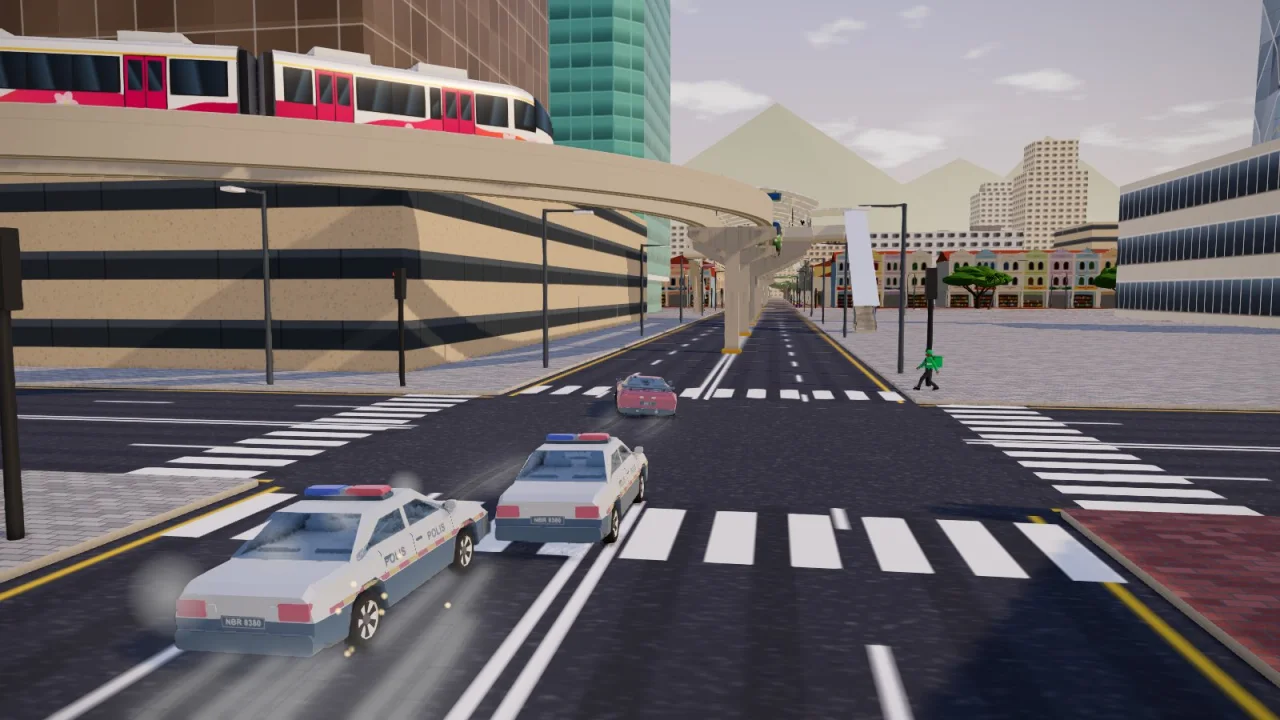
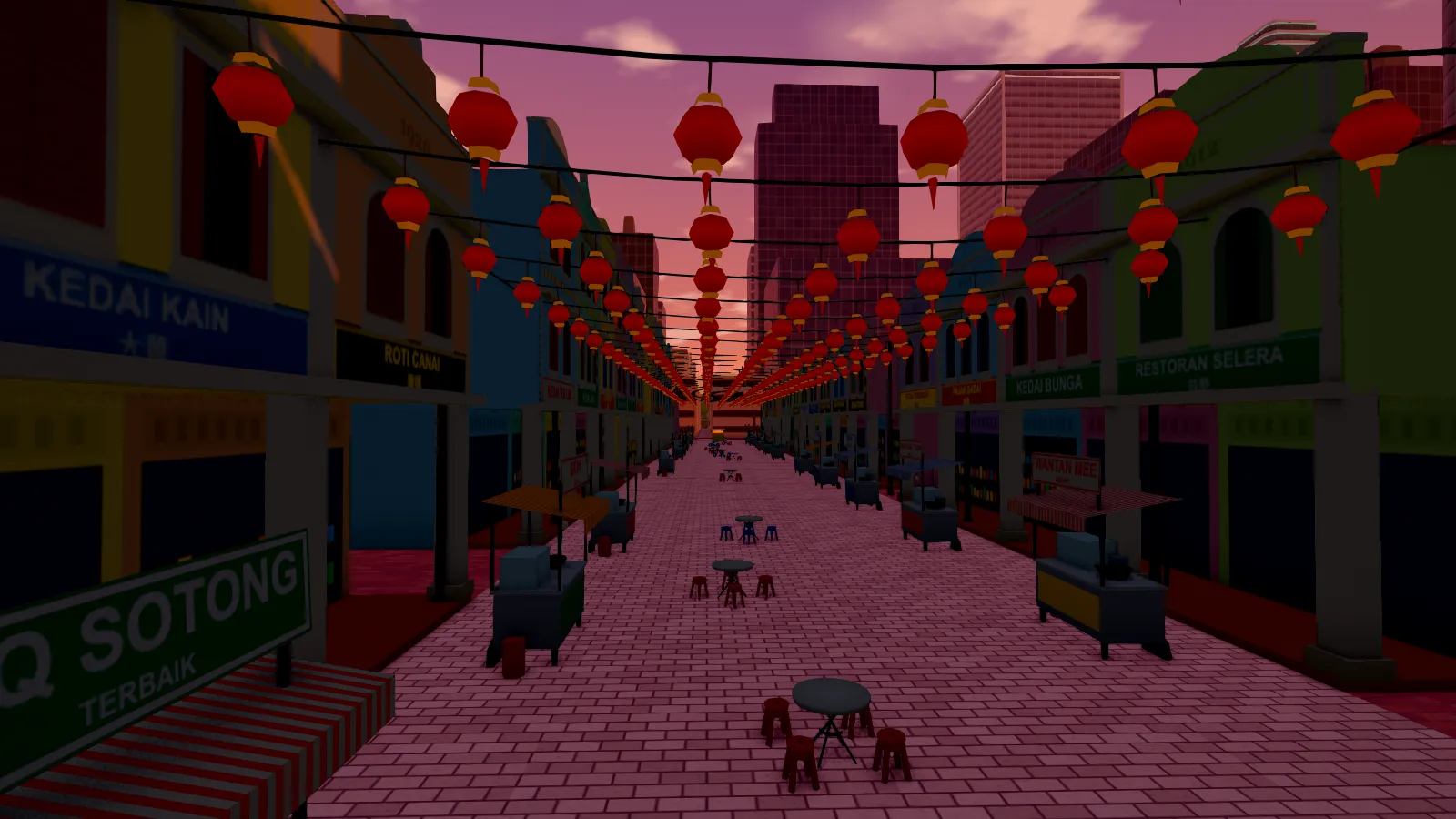
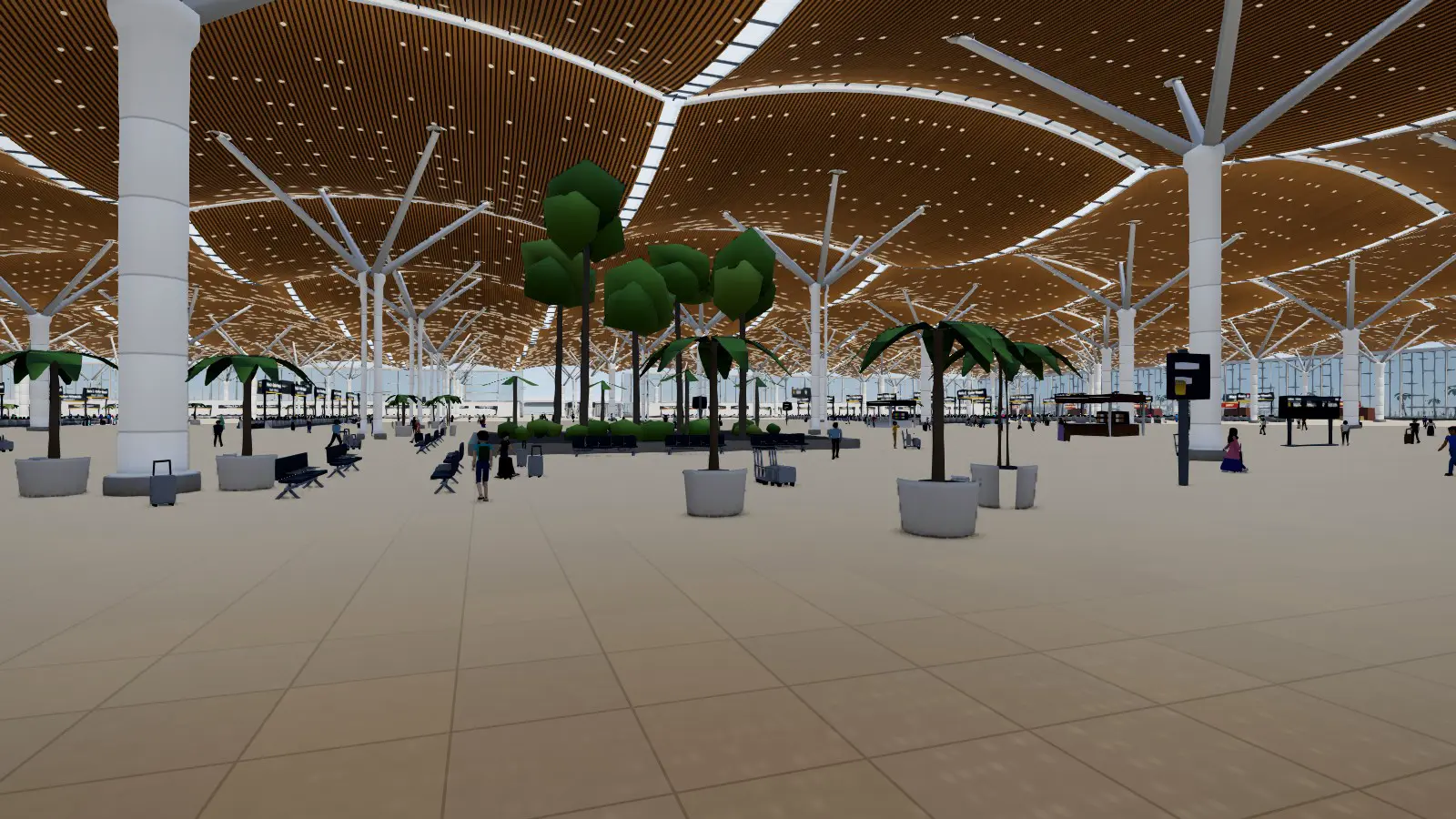
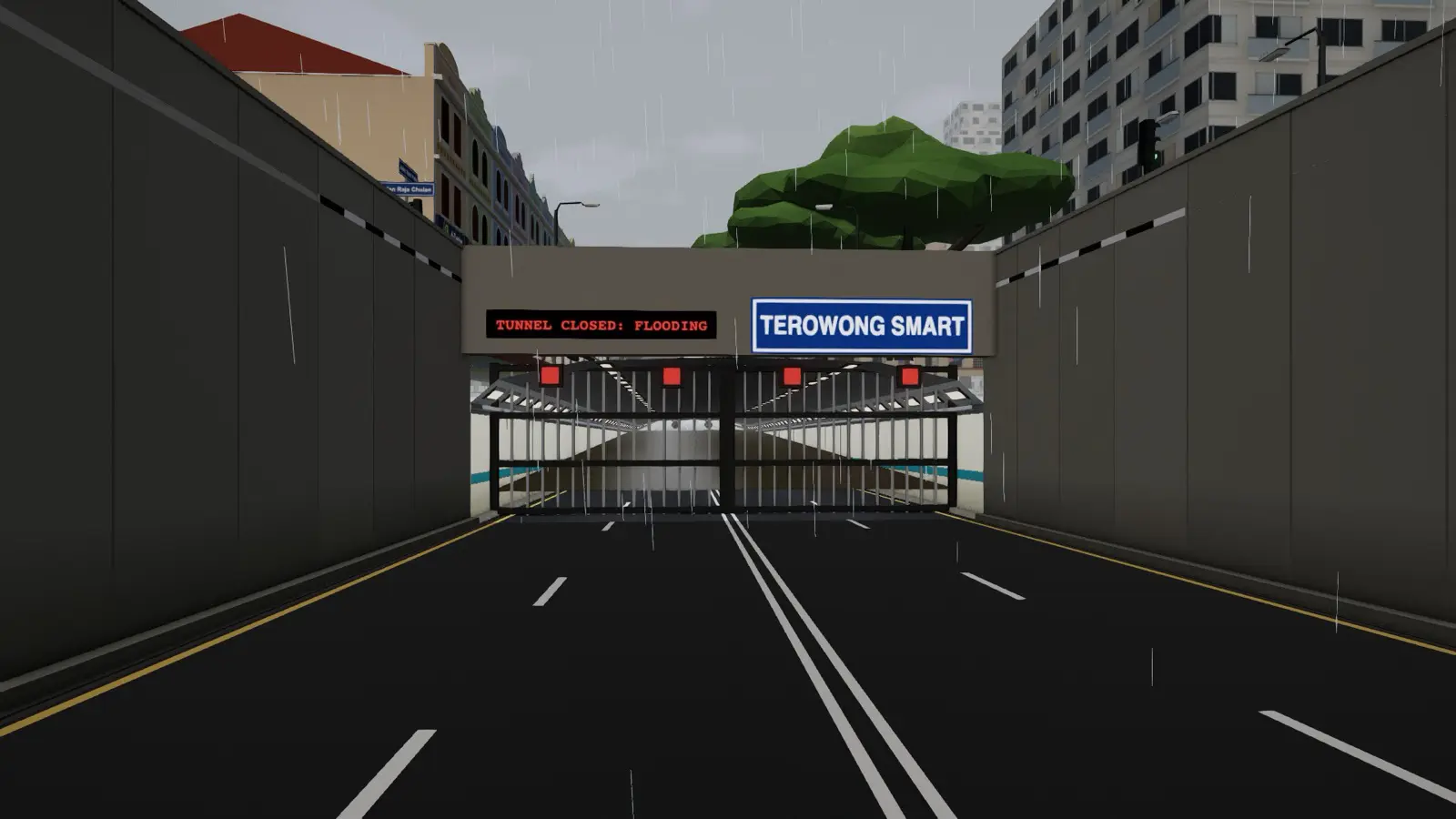
KL Rush is a free open-world game of Kuala Lumpur that runs in a browser, with 22 story missions, traffic, police chases, trains, side jobs, day and night, and tropical rain. It also ships as a desktop app for Windows, macOS and Linux. The game source is private; the preview repo holds the release notes and feedback.
Engineering approach
- Rules and state machines live in pure modules with no DOM and no Three.js, so plain Node tests can run them.
- Optional features load through dynamic imports behind flags, and each import has a reviewed size cap in CI.
- Performance work starts with frame-by-frame traces in WebKit at iPhone size, because that is the engine players on iPhone run.
How a change reaches players
- Specification
- Pure logic and tests
- Size budgets
- Smoke test in a real browser
- Automatic deploy
- Error reports
Stack
Three.js, WebGPU with WebGL2 fallback, JavaScript modules, checked by TypeScript, Jolt physics in WebAssembly, Vite, Electron, Vercel, Sentry, Blender
Technical challenges
Stutter that averages could not see
- Problem
- Play felt rough on iPhone, but load times and average frame rate showed nothing.
- Solution
- Per-frame tracing in WebKit tied each slow frame to its cause: every car was building its own shader graph. Vehicles now share one graph, and compiled programs are kept alive between uses.
Keeping iPhones on the fast renderer
- Problem
- iPhones run far better on WebGPU than on WebGL2, and one lost GPU device used to move a phone to WebGL2 for good.
- Solution
- Safari can drop the GPU device under memory pressure, and one such loss should not cost a player that speed. Now only a repeated visible loss switches renderer.
A whole city in a small download
- Problem
- A browser game loses players while it loads, and every new feature adds code.
- Solution
- CI fails the build when a chunk passes its gzip cap, so a feature has to earn its size. Content lives in a cache that survives deploys, with retries for bad connections.
Deciding what not to build
- Problem
- World streaming and occlusion culling are the textbook answers for an open world.
- Solution
- Profiling rejected both: geometry was a small part of peak load memory, and city areas are too large to hide. Instead the whole city stays loaded and each area is culled by distance. GPS uses a small custom A* on a road graph, with no routing library.
Gallery

Outcome and status
Public and playable, with regular releases. It runs on desktop browsers, phones and tablets, and as a desktop app.
Known limits
- The Windows and Linux desktop apps have not yet been tried on real machines.
- The apps are not signed by Apple or Microsoft.